Tag Archives: interactive media

Weaving Bridges: Cross-cultural Collaboration in Motion Design

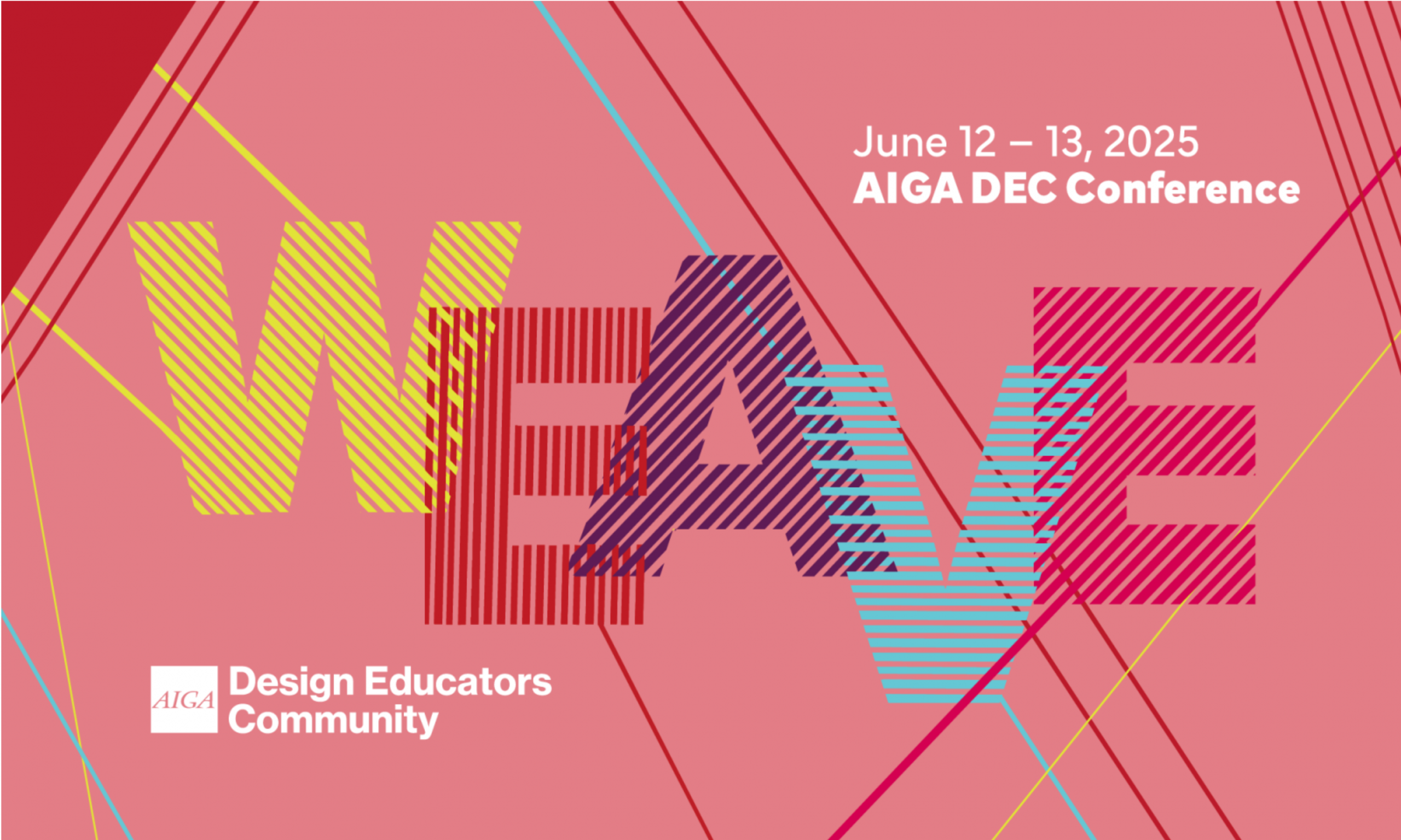
This presentation, delivered at AIGA DEC Weave 2025 at Illinois State University, focused on methods for fostering cross-cultural collaboration in motion design education. It highlighted practical strategies to integrate diverse perspectives into student projects and collaborative workflows.

AIGA DEC Weave 2025
Illinois State University, Normal, IL | June 12–13, 2025

https://educators.aiga.org/2025-aiga-design-educators-conference/
Research-driven workflows were emphasized, showing how media production can be transformed into outputs that are pedagogically relevant. These methods support curriculum development, student capstones, and hands-on learning experiences across cultural contexts.

The session also discussed the broader impact on scholarship and service, noting how peer and community review validates approaches and strengthens international partnerships. By connecting academic, professional, and public audiences, this work contributes to sustainable design education practices.
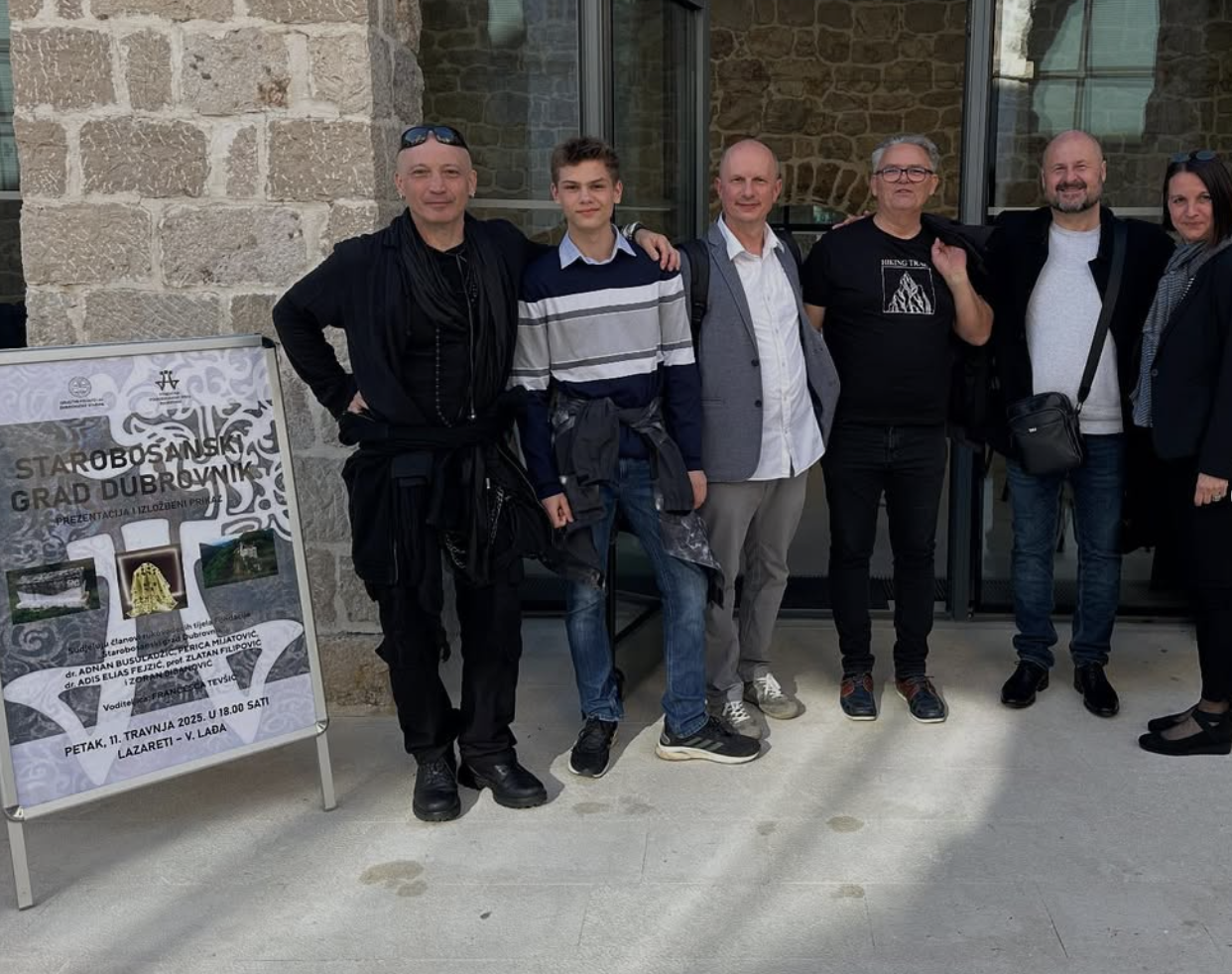
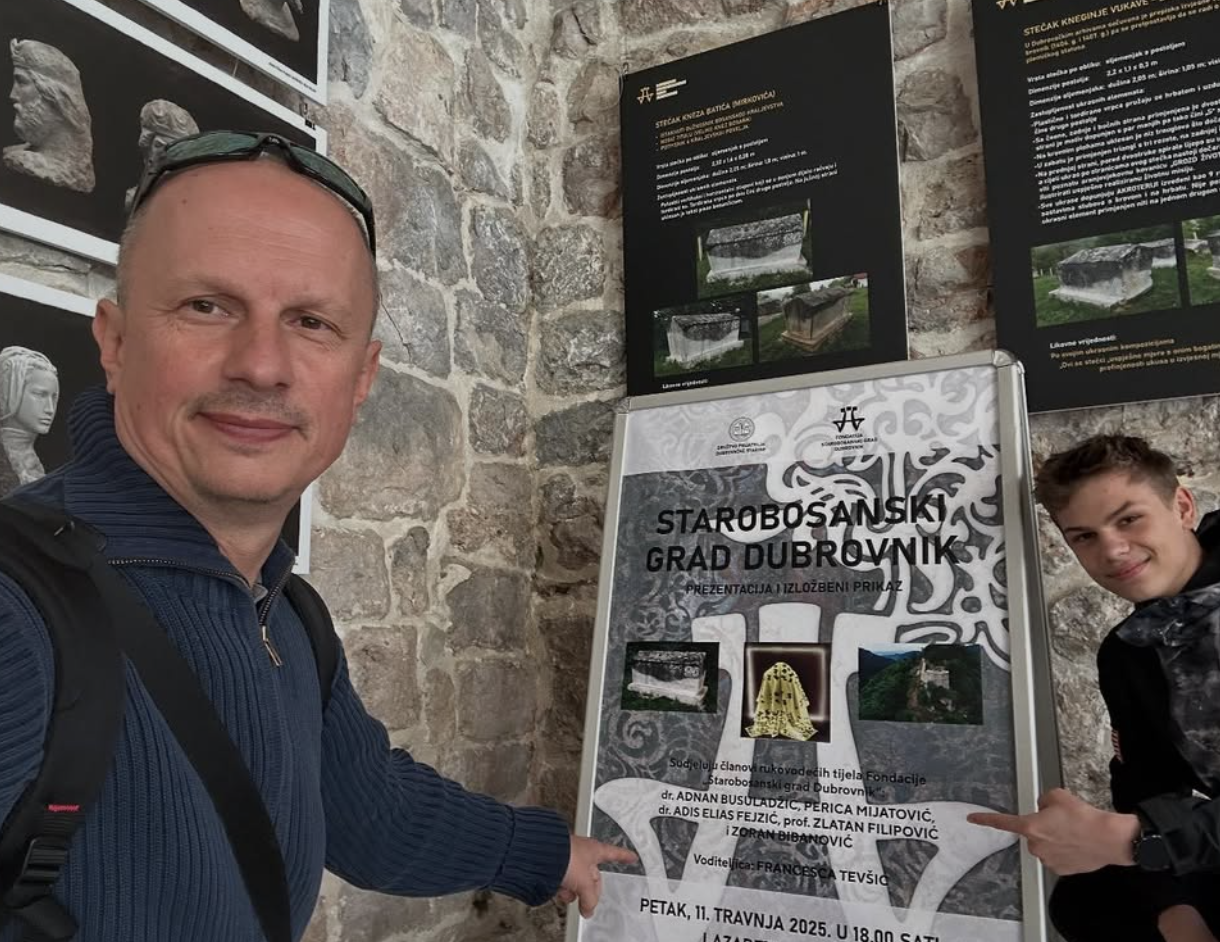
VR prototype for Cultural Heritage Presentation: Old Bosnian Town of Dubrovnik & Kopošići Stećak Necropolis

By invitation of the Drustvo Prijatelja Dubrovacke Starine (DPDS) / Society of Friends of Dubrovnik Antiquities (founded in 1952) as a member of the team of Foundation Starobosanski Dubrovnik I presented VR Prototype for Cultural Heritage as part of a public program at Lazareti – Design & Creative Hub of Dubrovnik.

This session bridged creative practice and scholarship, making complex cultural heritage material accessible through thoughtfully designed media forms and active public engagement. The prototype offered visitors an immersive way to experience historical narratives, merging research with experiential storytelling in a civic setting.

The work centered on developing rigorous, research-driven pipelines that connected field capture, modeling, and narrative assembly with modes of dissemination. By structuring audience pathways around onboarding, experience, and reflection, the project ensured that its impact extended well beyond the event itself, feeding into curriculum development, student capstone projects, and interdisciplinary collaborations.

Engaging with peer and community reviewers highlighted the relevance of the work in both academic and cultural contexts. Partnerships with museums, festivals, and universities further expanded equitable public access, demonstrating how research outputs can live dynamically in both pedagogical and public spaces.
Lazareti