Category Archives: Events / Conferences

Neolithic experiences: Approaching a complex topic through IDNs using GenAI

Scheduled for presentation as a Late-Breaking Work at ICIDS 2025, this conference presentation explores how Interactive Digital Narratives (IDNs) combined with GenAI can make complex Neolithic topics accessible for both research and teaching. The session highlights workflows that translate field capture into interactive media, supporting curriculum development, student projects, and cross-institutional collaborations.
Screenshot

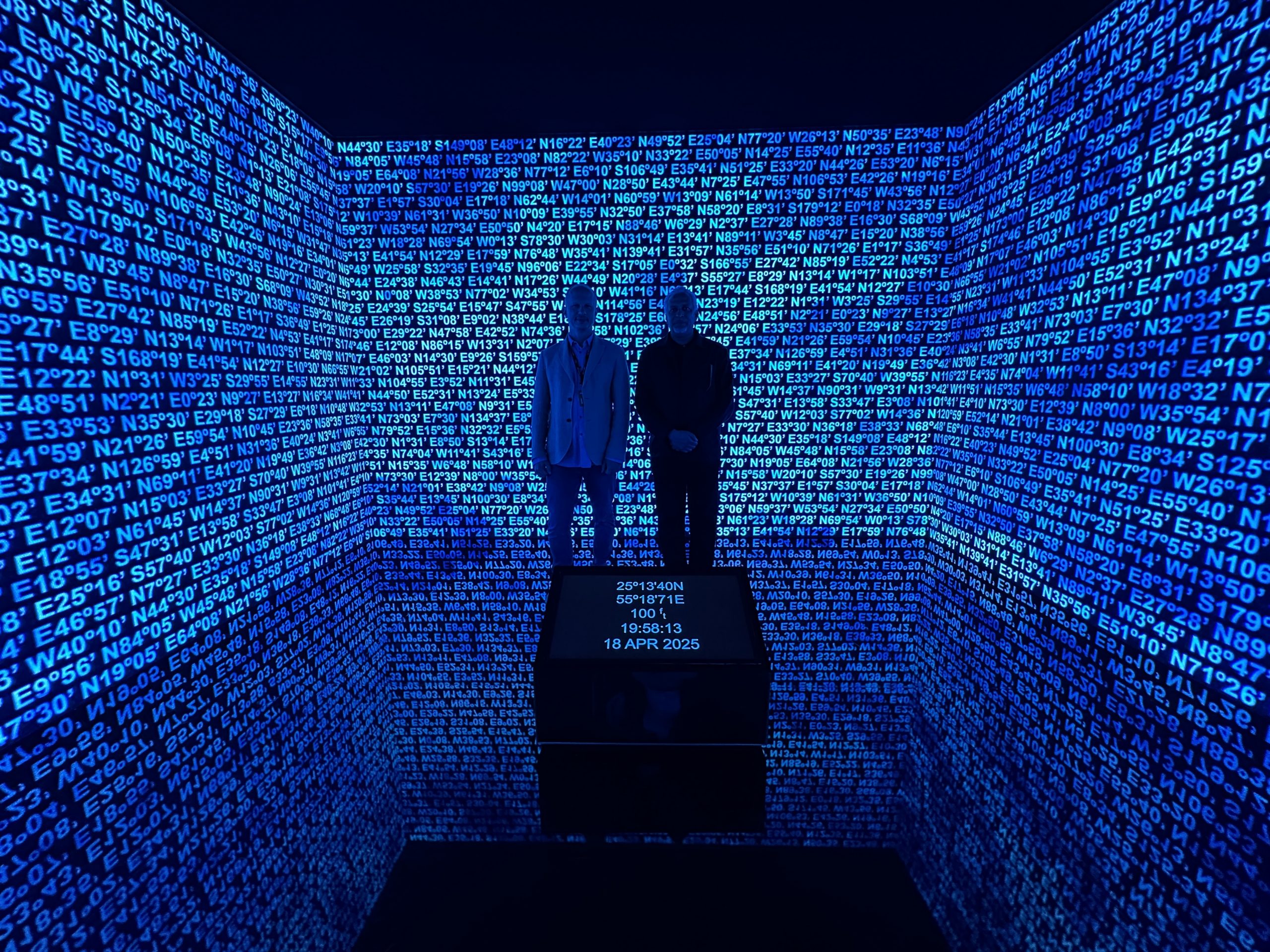
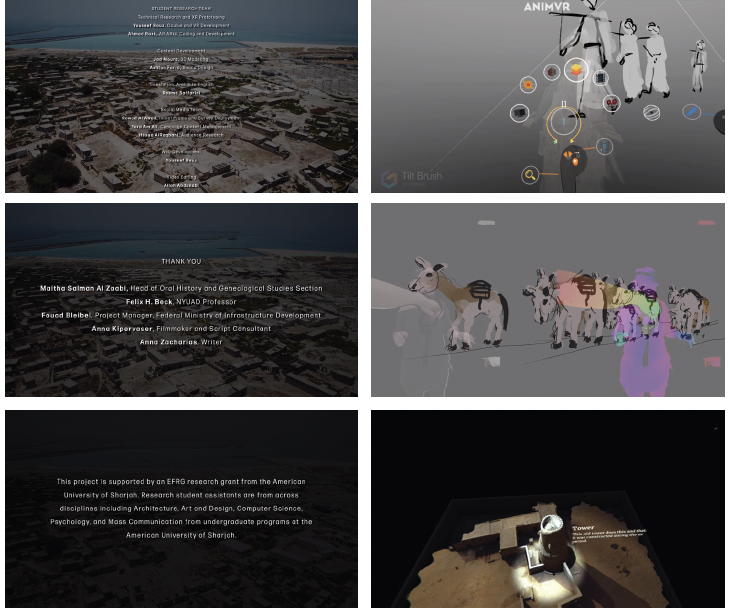
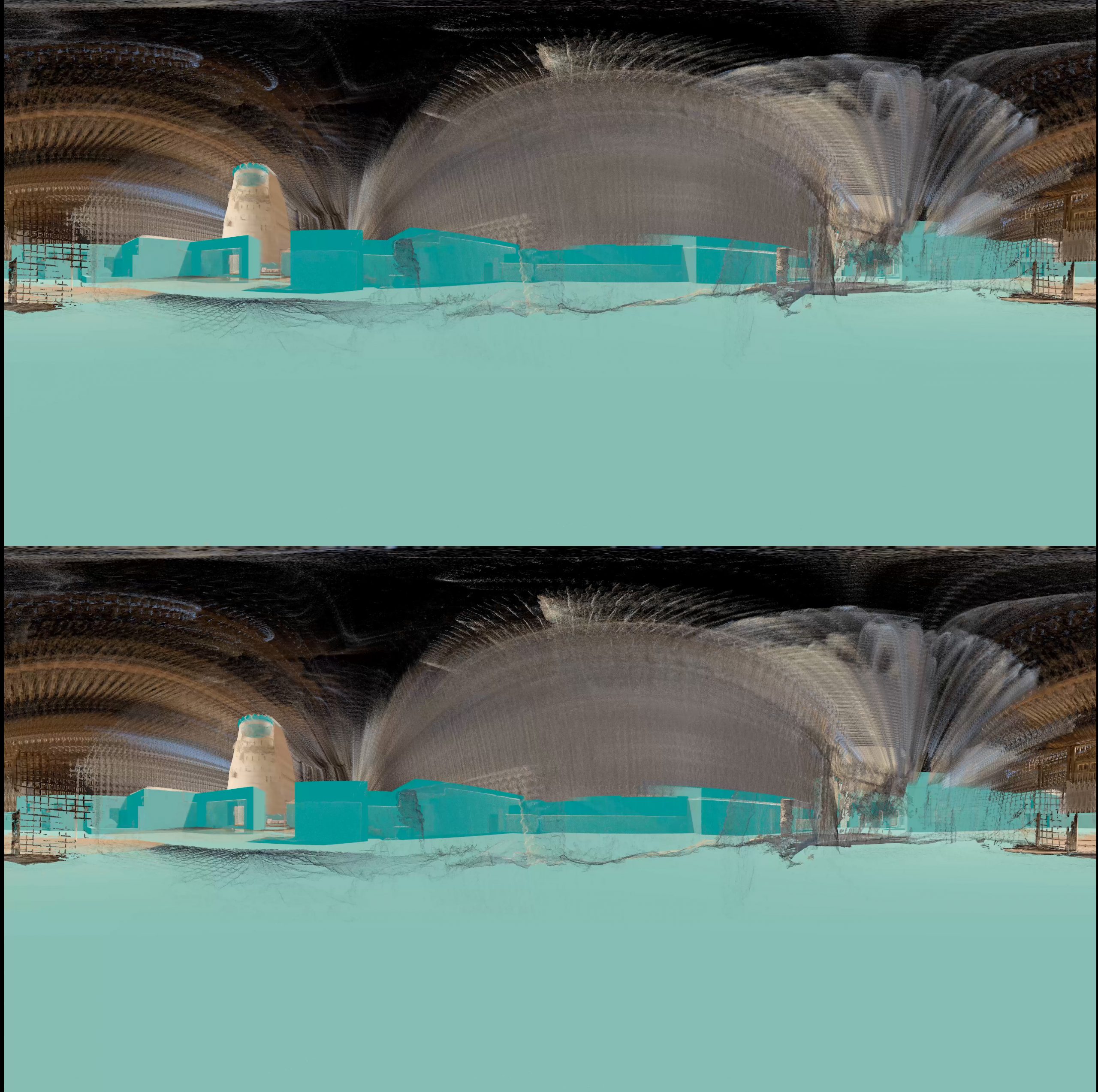
In the Kaleidoscopic Machines in an era of accelerated entanglements., the Art exhibition program taking place in Malta from 1–5 December 2025, as part of the 18th International Conference on Interactive Digital Storytelling (ICIDS), I am presenting Al Jazeerah al Hamra DREAM immersive stereoscopic virtual reality animation project.

This project is a result of my research on cultural heritage and vernicular architecture of the United Arab Emirates and Ras Al Khaima’s Al Jazirah Al Hamrah village located on a once tidal island, a residence to pearl divers and merchants of the Gulf.  Working with sound artist Faruk Omanovic we created a journey through the vernacular architecture of the village and a dream like sequence of recollections of the past traditions and the futuristic heritage village cultural site.

Project is peer-reviewed and selected by the ICIDS Art Exhibition Curatorial Team

The ICIDS Art Exhibition is sponsored by the Gaming Malta Foundation. https://www.gamingmalta.org/
Tiny Narratives–Universal Impacts | MODE 25

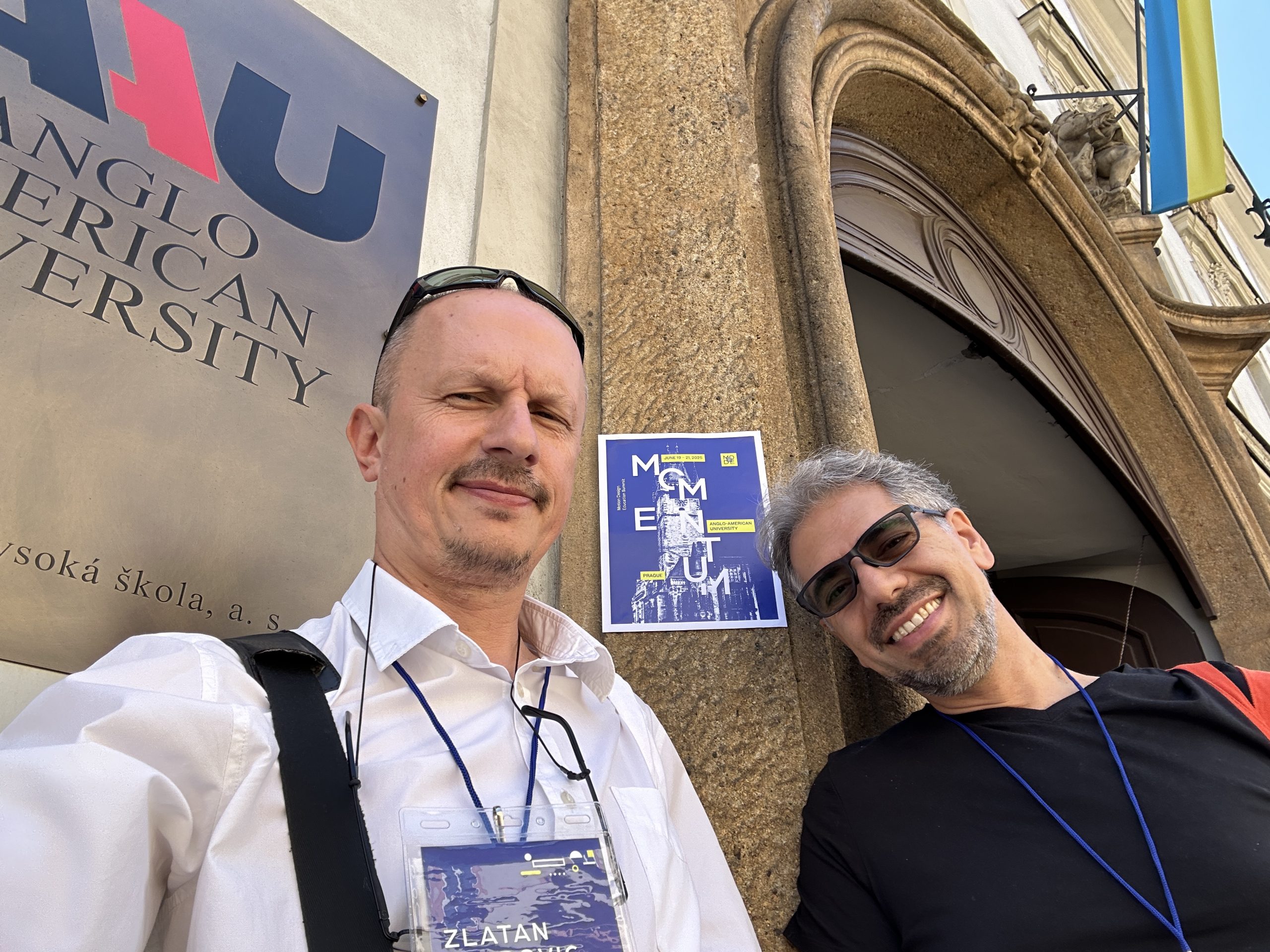
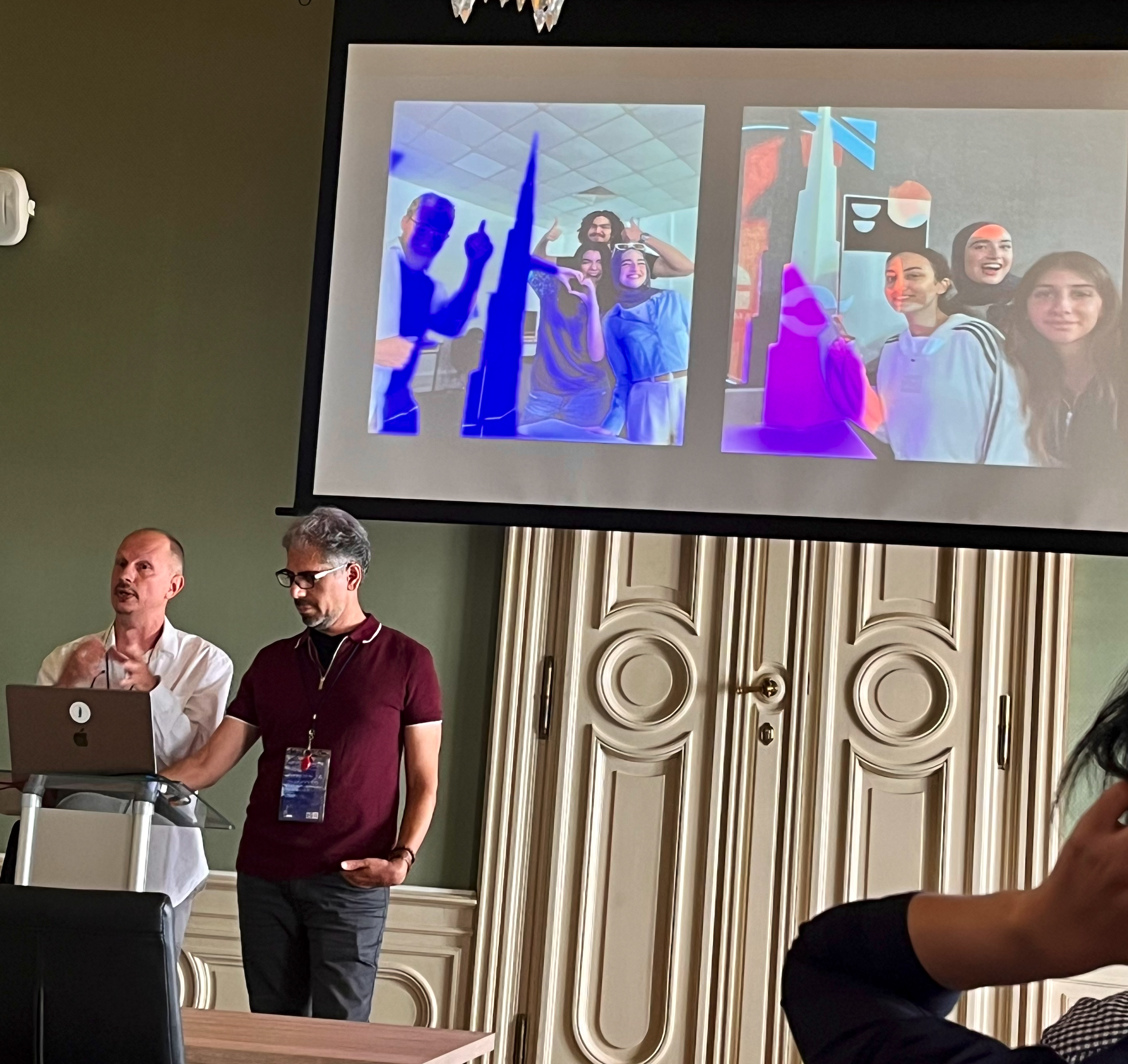
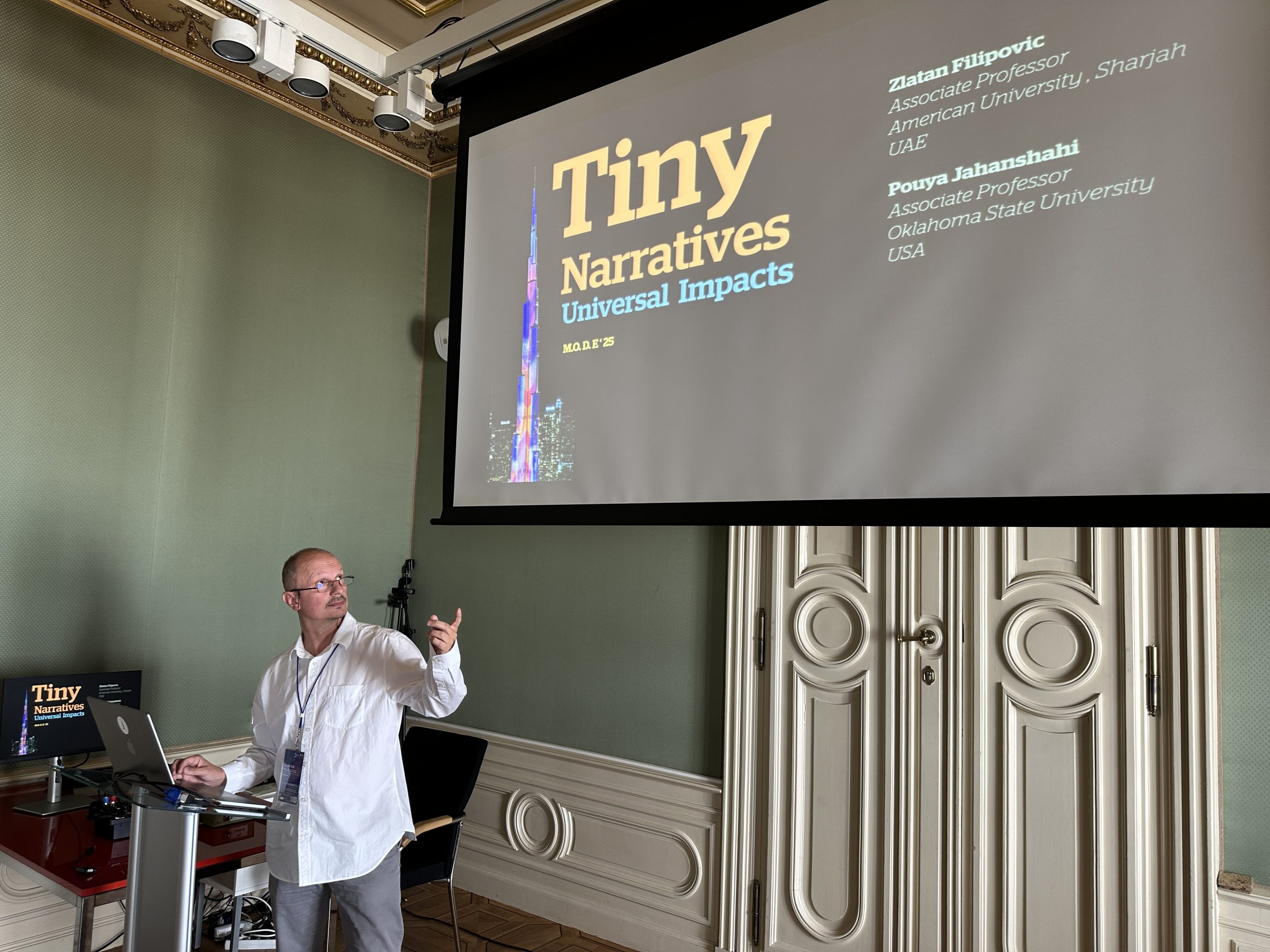
Presented at MODE 25 at Anglo-American University in Prague, this session explored the power of small-scale narratives to create universal impacts on environmental issues and motion design pedagogy.
The focus was on translating student experiences, discussions and understanding of the energy, water and natural resources thoughtful use into motion design work formatted to be presented on the Media Facade of the burj Khalifa, largest media screen in the world.

This motion pedagogy collaborative project was developed and implemented with Associate Professor Pouya Jahanshahi from Oklahoma State University. The presentation demonstrated research-driven workflows that enhance teaching and learning. Emphasis was placed on reusable pipelines for motion design creation,  narrative assembly, and dissemination, supporting curriculum development and student media mapping projects.

By engaging peer and community reviewers, the session highlighted the broader relevance of our academic work. MODE conference proceedings will publish our collaboration making it accessible to broader academic community. This scholarship provided students with real world professional experience designing and developing motion design work within the requirements of the actual burj Khalifa open call and template for motion desig work production.

Weaving Bridges: Cross-cultural Collaboration in Motion Design

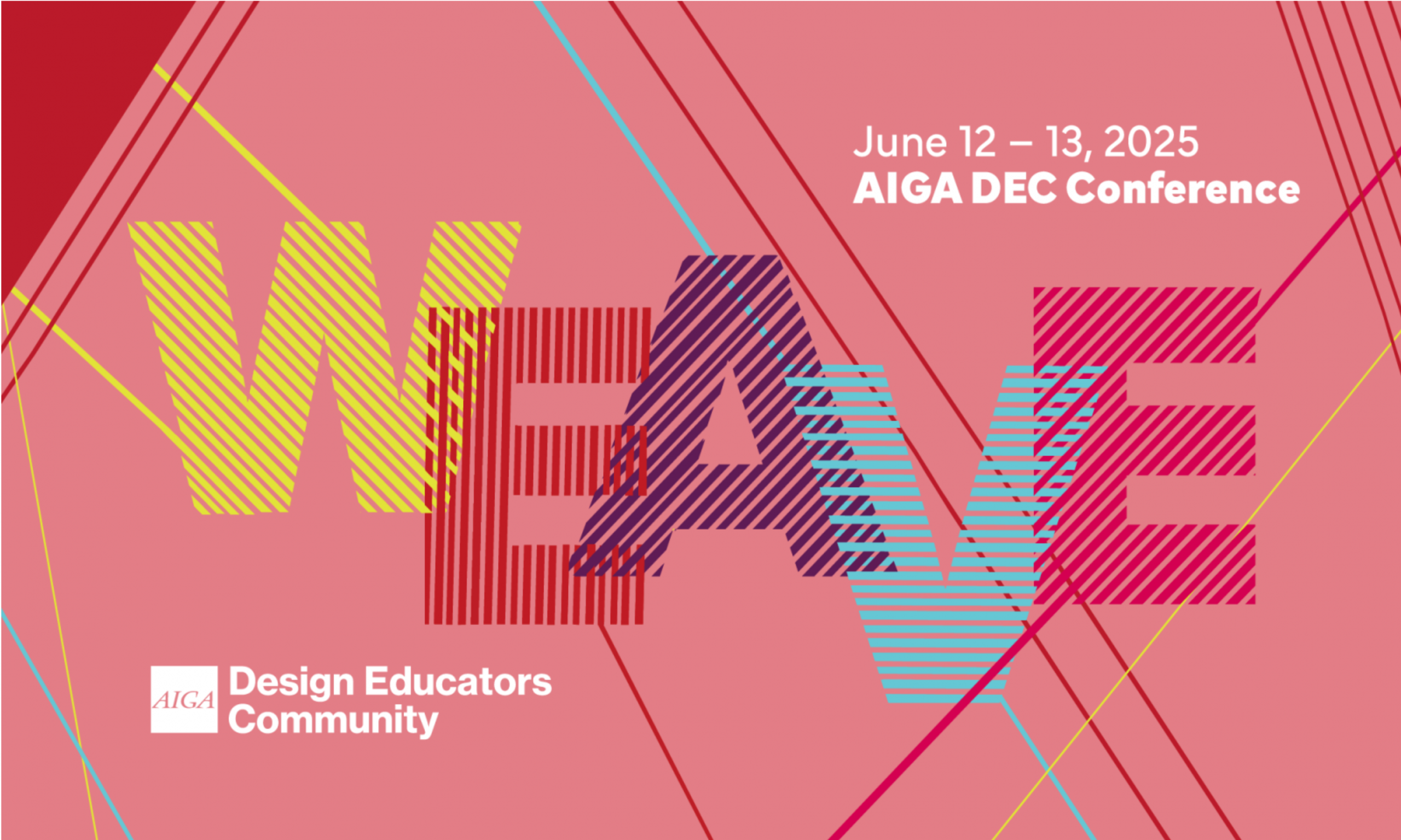
This presentation, delivered at AIGA DEC Weave 2025 at Illinois State University, focused on methods for fostering cross-cultural collaboration in motion design education. It highlighted practical strategies to integrate diverse perspectives into student projects and collaborative workflows.

AIGA DEC Weave 2025
Illinois State University, Normal, IL | June 12–13, 2025

https://educators.aiga.org/2025-aiga-design-educators-conference/

Research-driven workflows were emphasized, showing how media production can be transformed into outputs that are pedagogically relevant. These methods support curriculum development, student capstones, and hands-on learning experiences across cultural contexts.

The session also discussed the broader impact on scholarship and service, noting how peer and community review validates approaches and strengthens international partnerships. By connecting academic, professional, and public audiences, this work contributes to sustainable design education practices.

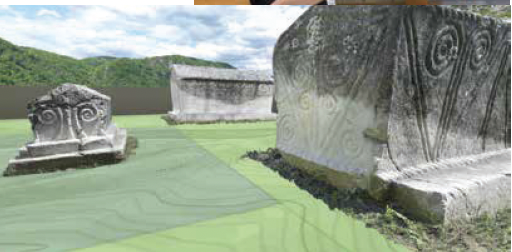
VR prototype for Cultural Heritage Presentation: Old Bosnian Town of Dubrovnik & Kopošići Stećak Necropolis

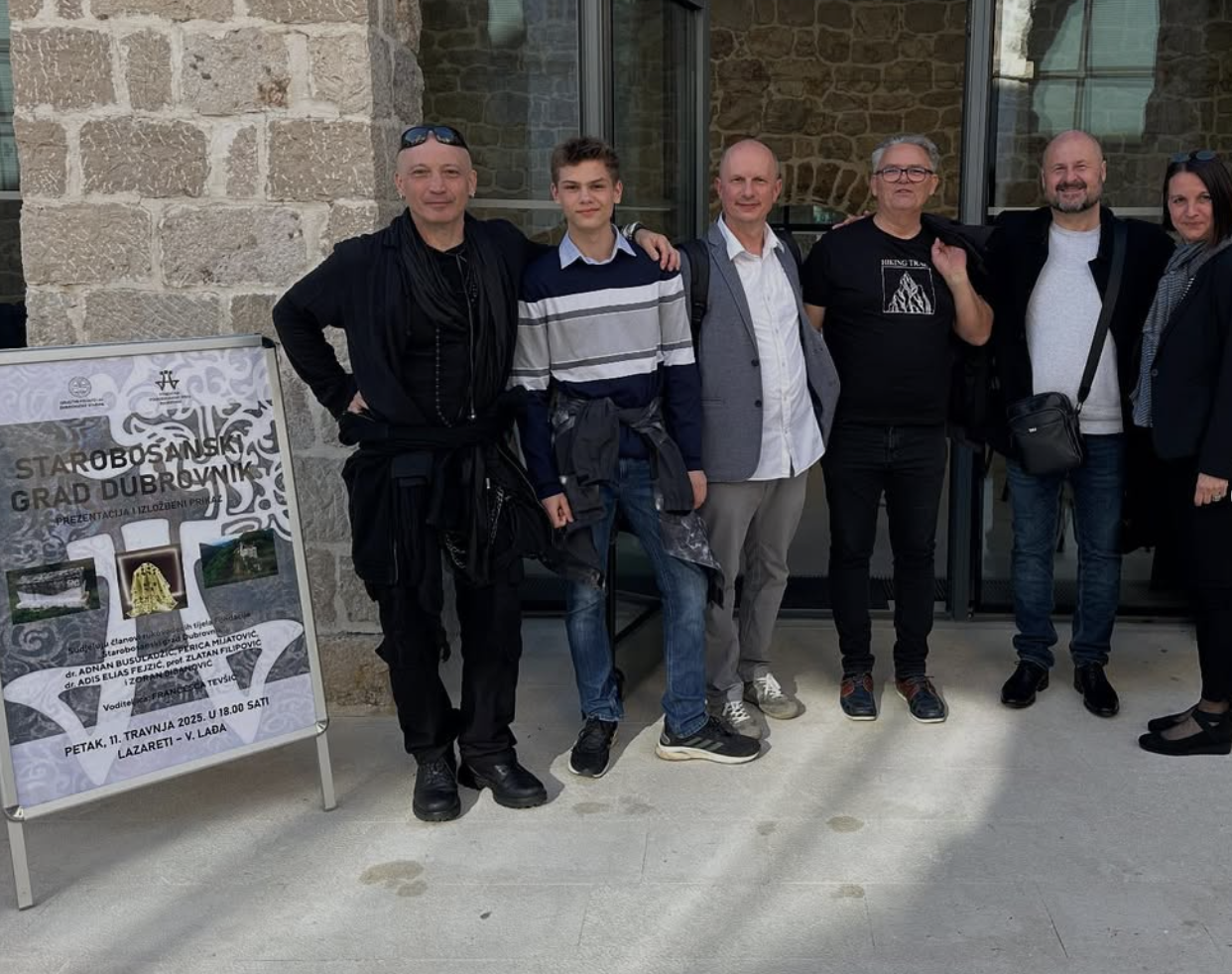
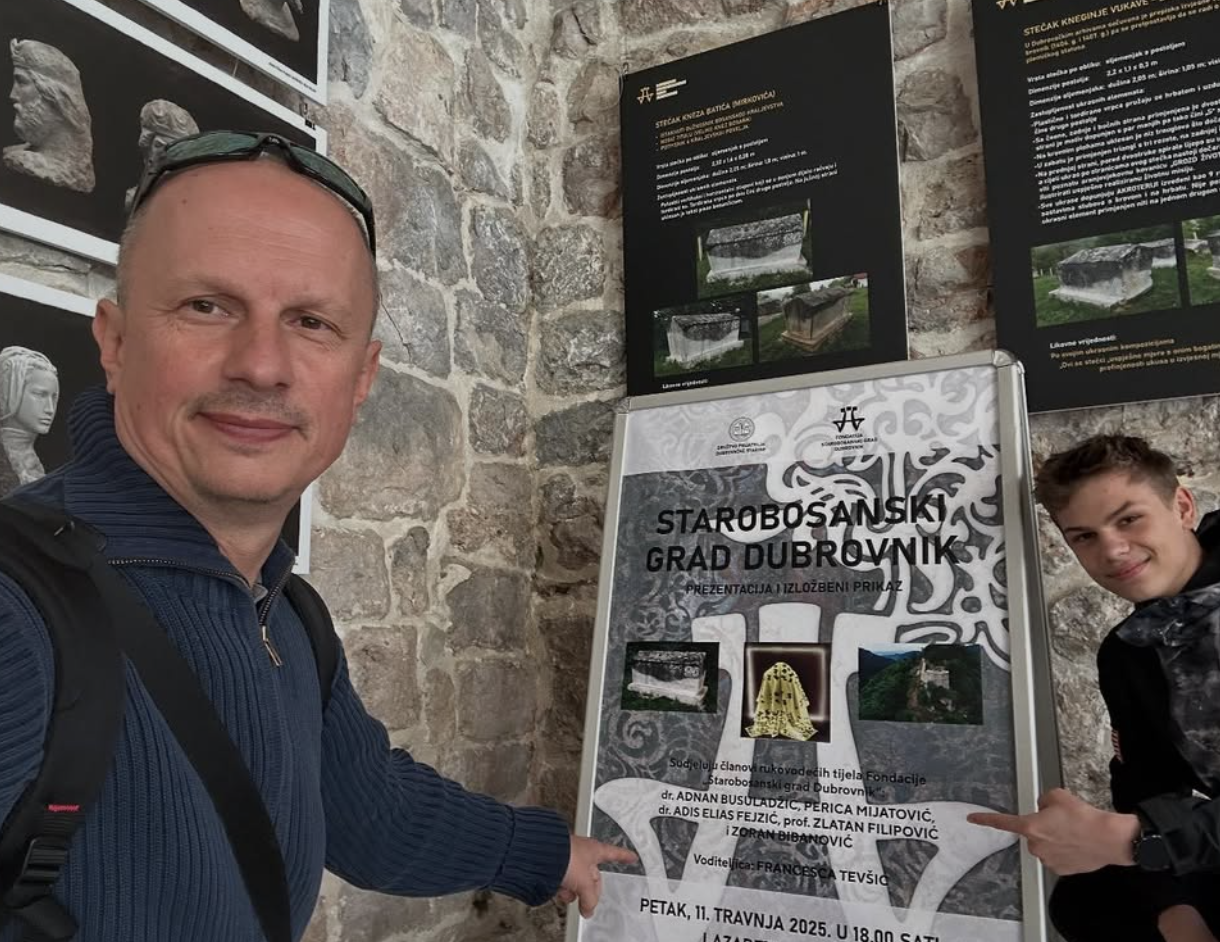
By invitation of the Drustvo Prijatelja Dubrovacke Starine (DPDS) / Society of Friends of Dubrovnik Antiquities (founded in 1952) as a member of the team of Foundation Starobosanski Dubrovnik I presented VR Prototype for Cultural Heritage as part of a public program at Lazareti – Design & Creative Hub of Dubrovnik.

This session bridged creative practice and scholarship, making complex cultural heritage material accessible through thoughtfully designed media forms and active public engagement. The prototype offered visitors an immersive way to experience historical narratives, merging research with experiential storytelling in a civic setting.

The work centered on developing rigorous, research-driven pipelines that connected field capture, modeling, and narrative assembly with modes of dissemination. By structuring audience pathways around onboarding, experience, and reflection, the project ensured that its impact extended well beyond the event itself, feeding into curriculum development, student capstone projects, and interdisciplinary collaborations.

Engaging with peer and community reviewers highlighted the relevance of the work in both academic and cultural contexts. Partnerships with museums, festivals, and universities further expanded equitable public access, demonstrating how research outputs can live dynamically in both pedagogical and public spaces.
Lazareti

EUROMED24 – 10th International Conference on Digital Heritage

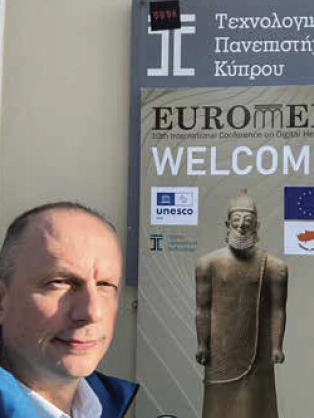
EuroMed is widely regarded as a flagship venue for digital heritage: a biennial conference (10th edition, December 2–4, 2024, Cyprus University of Technology, Limassol) that convenes researchers, heritage professionals, and policy actors to exchange methods and results across 3D digitization, conservation, visualization, and interpretation. Its peer-reviewed proceedings are published by Springer Nature in the Lecture Notes in Computer Science (LNCS) series—ensuring indexing and long-term discoverability—so work presented there circulates both within cultural-heritage networks and the broader computer-science community. A distinctive strength of EuroMed is its anchoring within the UNESCO Chair on Digital Cultural Heritage at the Cyprus University of Technology (CUT)—led by Dr. Marinos Ioannides— which stewards the conference and related initiatives through the Digital Heritage Research Lab.

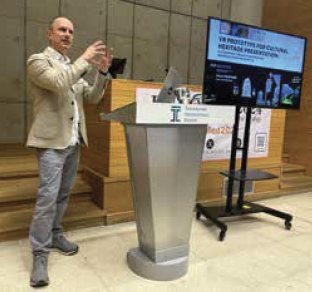
That UNESCO Chair connection keeps EuroMed close to European and international policy agendas while fostering practical collaborations (workshops, EU projects, competence frameworks) that feed directly back into the community. At EuroMed 2024 I presented the project VR Center for Cultural Heritage: Dubrovnik and Kopošići Stećak Necropolis through both a poster and a conference presentation—using the venue to share methods, compare pipelines, and gather feedback on interpretation layers and visitor-flow design. My submission follows EuroMed’s LNCS publication pathway, aligning my work with a rigorously indexed, highly cited proceedings channel of dissemination.

ReImagining the Past: Immersive Visit to Al-Jazirah Al-Hamra | AMPS Connections, University of Kent (Online)

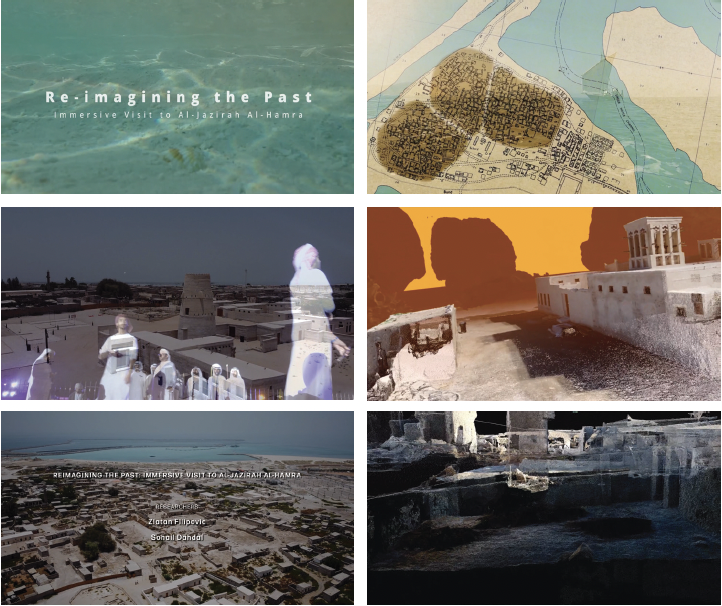
Presenting “ReImagining the Past: Immersive Visit to Al-Jazirah Al-Hamra” at AMPS: Connections (University of Kent, June 2020) positioned my research within a rigorously interdisciplinary forum connecting architecture, heritage, media, and design. The Kent edition of the Architecture, Media, Politics, Society (AMPS) conference convened scholars and practitioners from across these domains and was held virtually due to the pandemic—an ideal setting for sharing practice-based work and exchanging methods with archivists, curators, technologists, and educators.

My contribution focused on a program of AR/VR prototyping that documents and reinterprets the historic pearling village of Al-Jazirah Al-Hamra through photogrammetry, point-cloud aesthetics, and experimental documentary techniques. Developed with support from an AUS Faculty Research Grant (EFRG), the project explored how immersive tools can visualize disappearing heritage and invite critical engagement with memory and place. The presentation was delivered as a recorded talk, now publicly accessible via the AMPS YouTube channel, providing an ongoing resource for teaching and peer exchange beyond the conference itself.

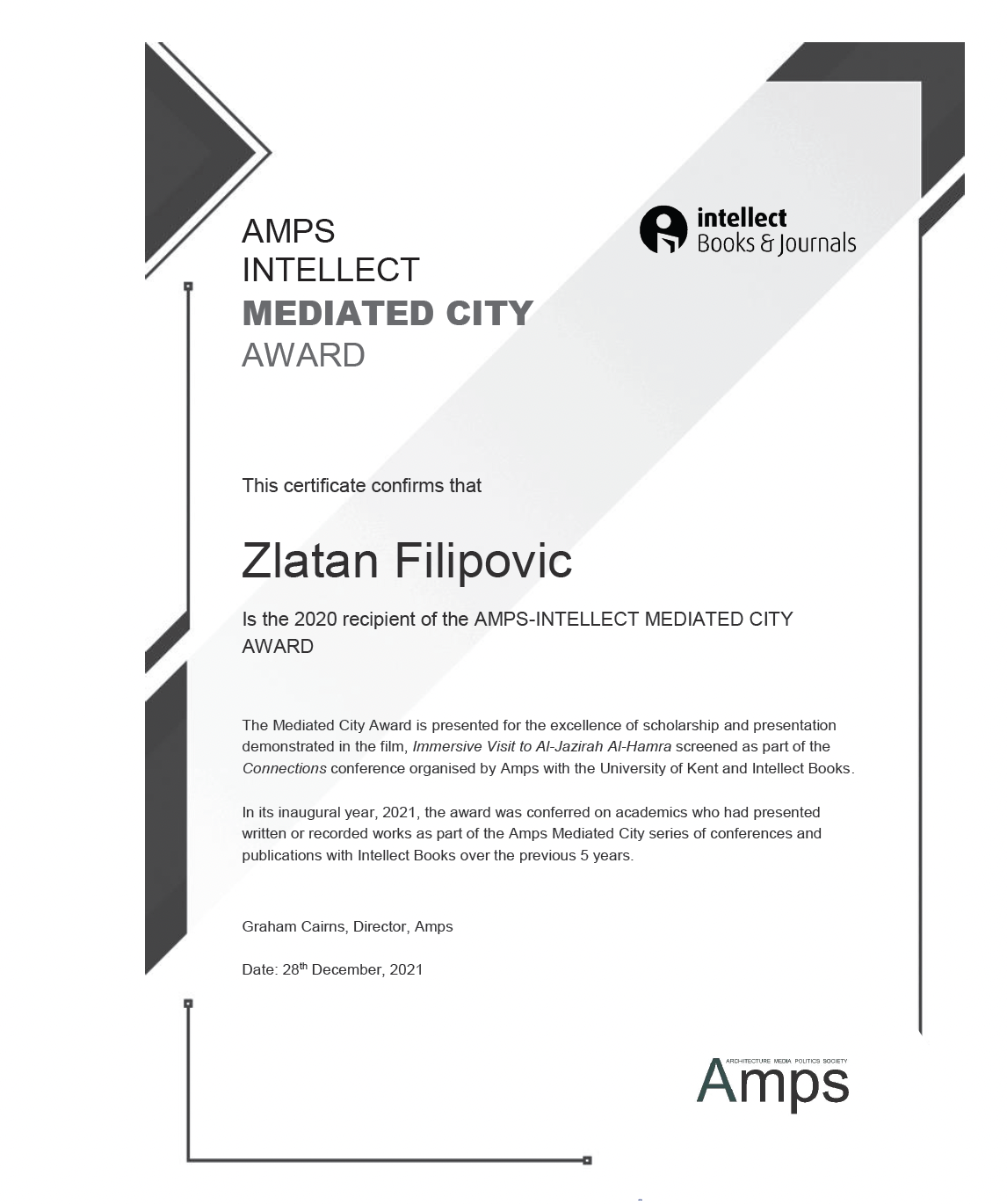
The project’s visibility was strengthened through the AMPS + Intellect Books publication network, which recognized it with the Mediated City Award (2020). Conference outputs were also archived in the AMPS Proceedings Series, ensuring long-term accessibility and citation pathways for future research. Together, these channels transformed a single presentation into a lasting scholarly contribution, deepening collaborations around Gulf heritage, digital preservation, and immersive media design.

Watch presentation on AMPS YouTube channel

Wadi Al Helo — Presenting Cultural Heritage Site in VR | ICCROM Sharjah, Sharjah

This activity bridges creative practice and scholarship, translating complex material into accessible experiences through carefully designed media forms and public engagement. My approach integrates aesthetic exploration with research-based storytelling, positioning visual and immersive media as tools for communicating heritage, memory, and contemporary culture.

Each project aligns rigorous content development with clear audience pathways—onboarding, experience, and reflection—so that the resulting assets and insights extend beyond a single event. This process strengthens a reusable workflow of capture, modeling, narrative assembly, and dissemination that supports teaching, student capstones, and collaborative initiatives with partner institutions. By merging creative practice with research precision, the work sustains impact across academic, cultural, and community contexts.

In my teaching, these workflows and their documentation feed directly back into studios and seminars, offering students practical models for digital heritage and interactive media design. Within scholarship, peer and community feedback validate the methods and extend the discourse around immersive storytelling. Through partnerships with museums, festivals, and universities, the work expands equitable public access to cultural knowledge and reinforces the value of creative research in civic and educational life.

Learn more – ICCROM Sharjah

Museums in Arabia – Wadi al Helo

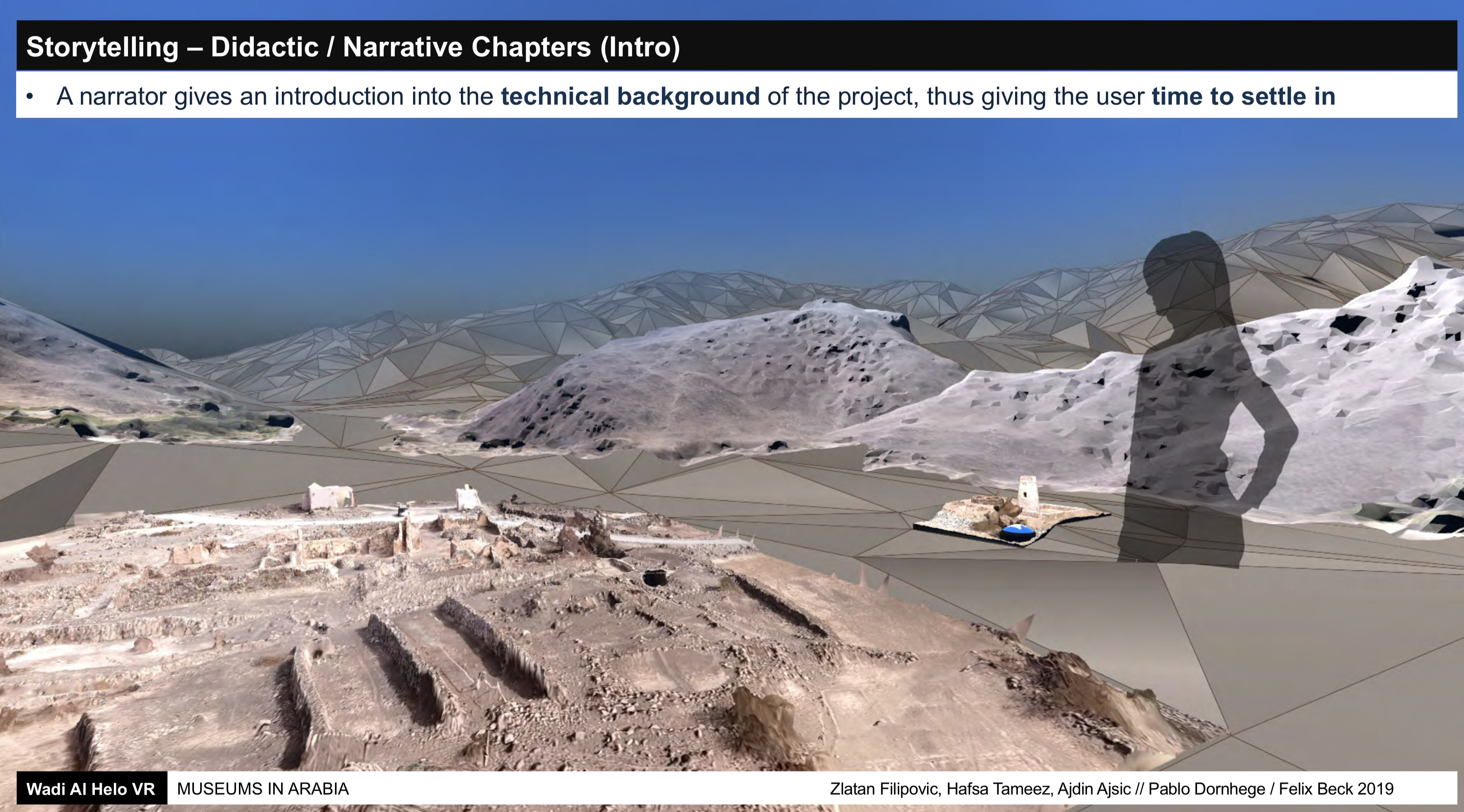
Screen Shot 2020-10-07 at 2.14.53 PM copy

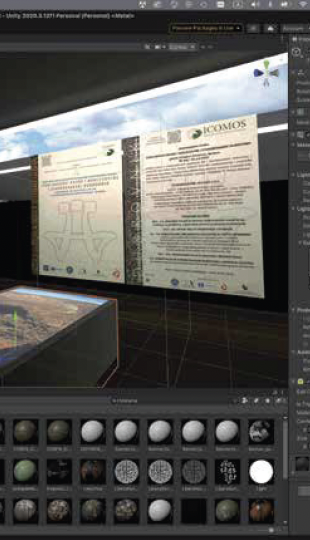
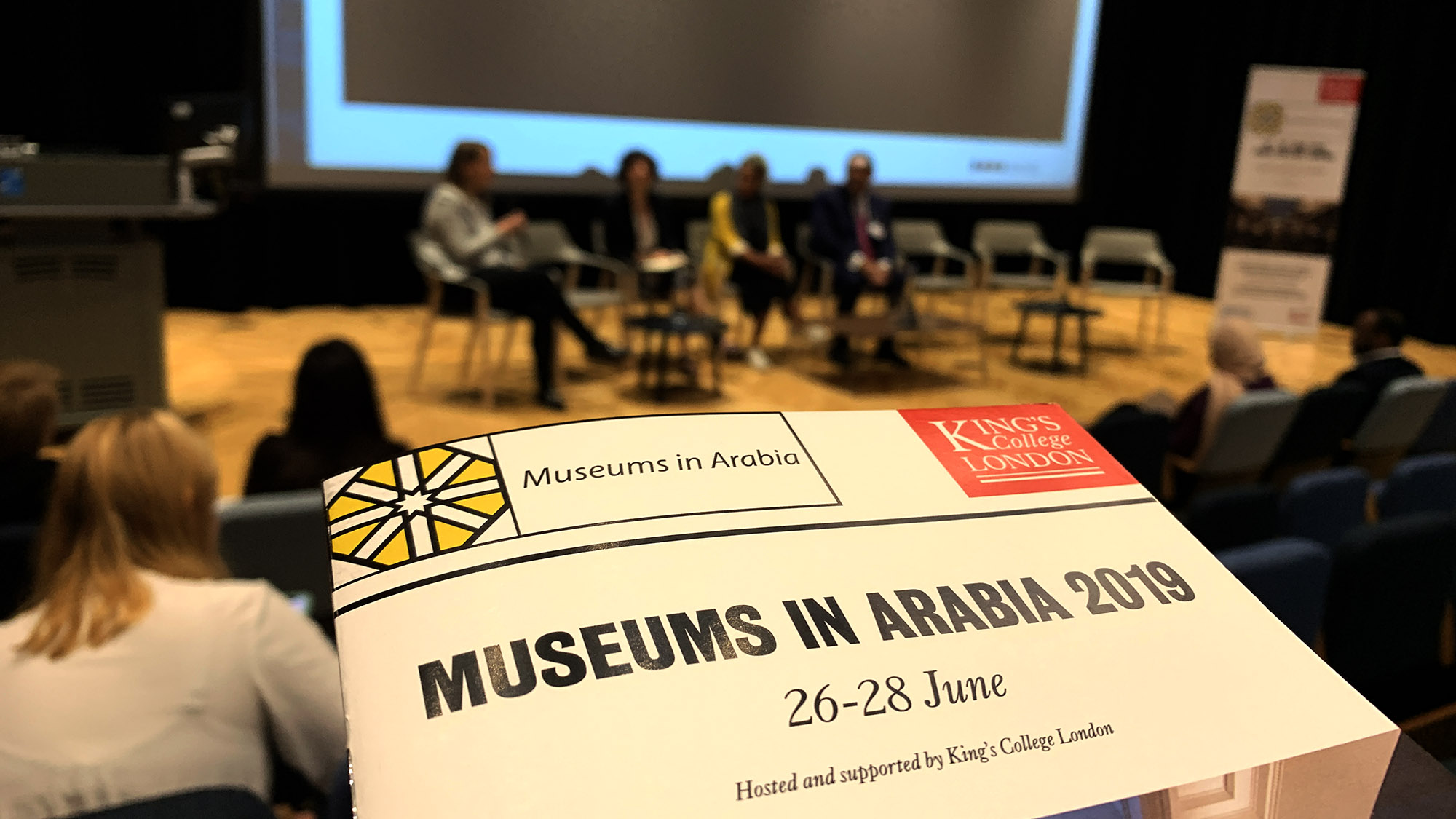
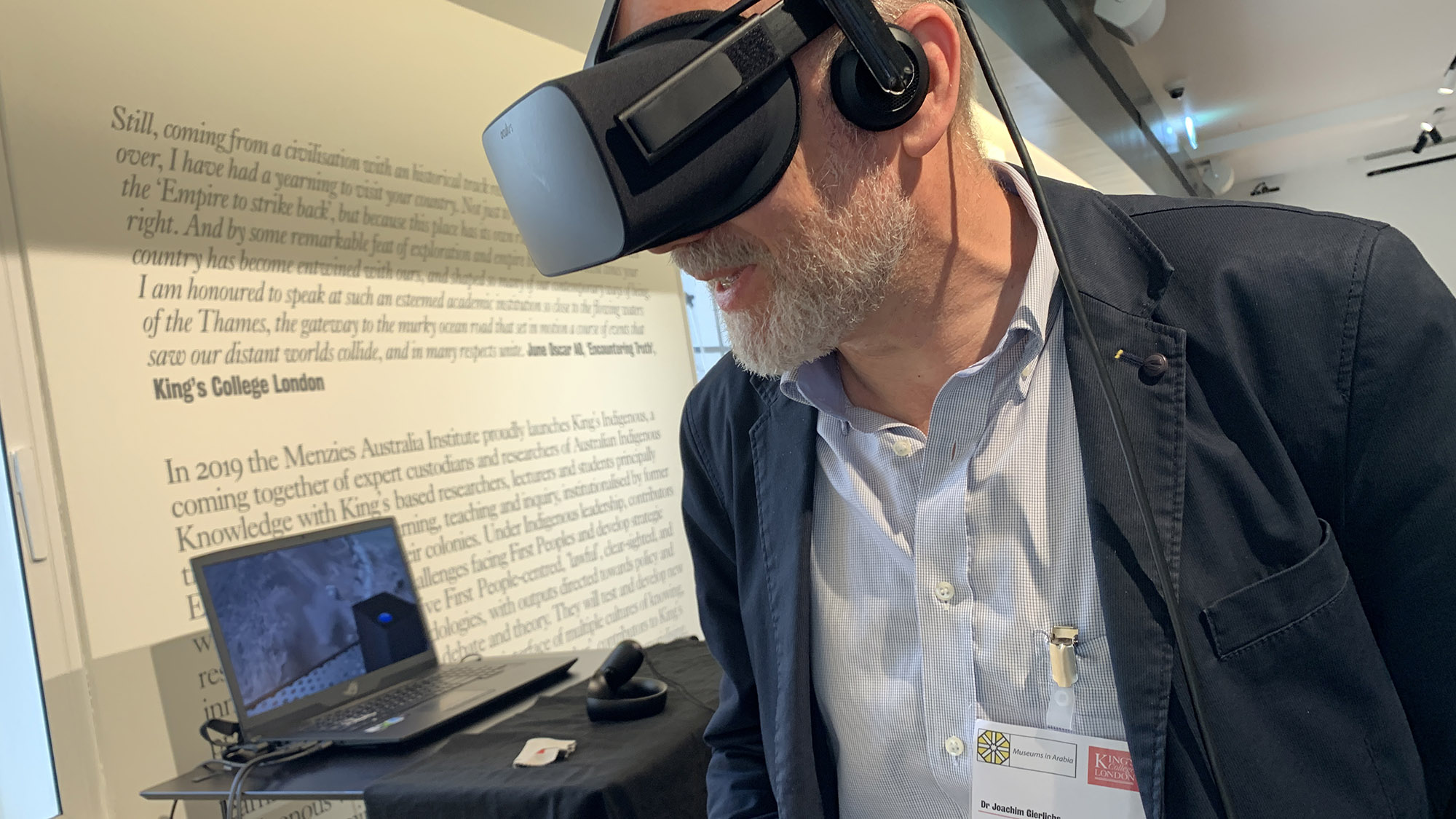
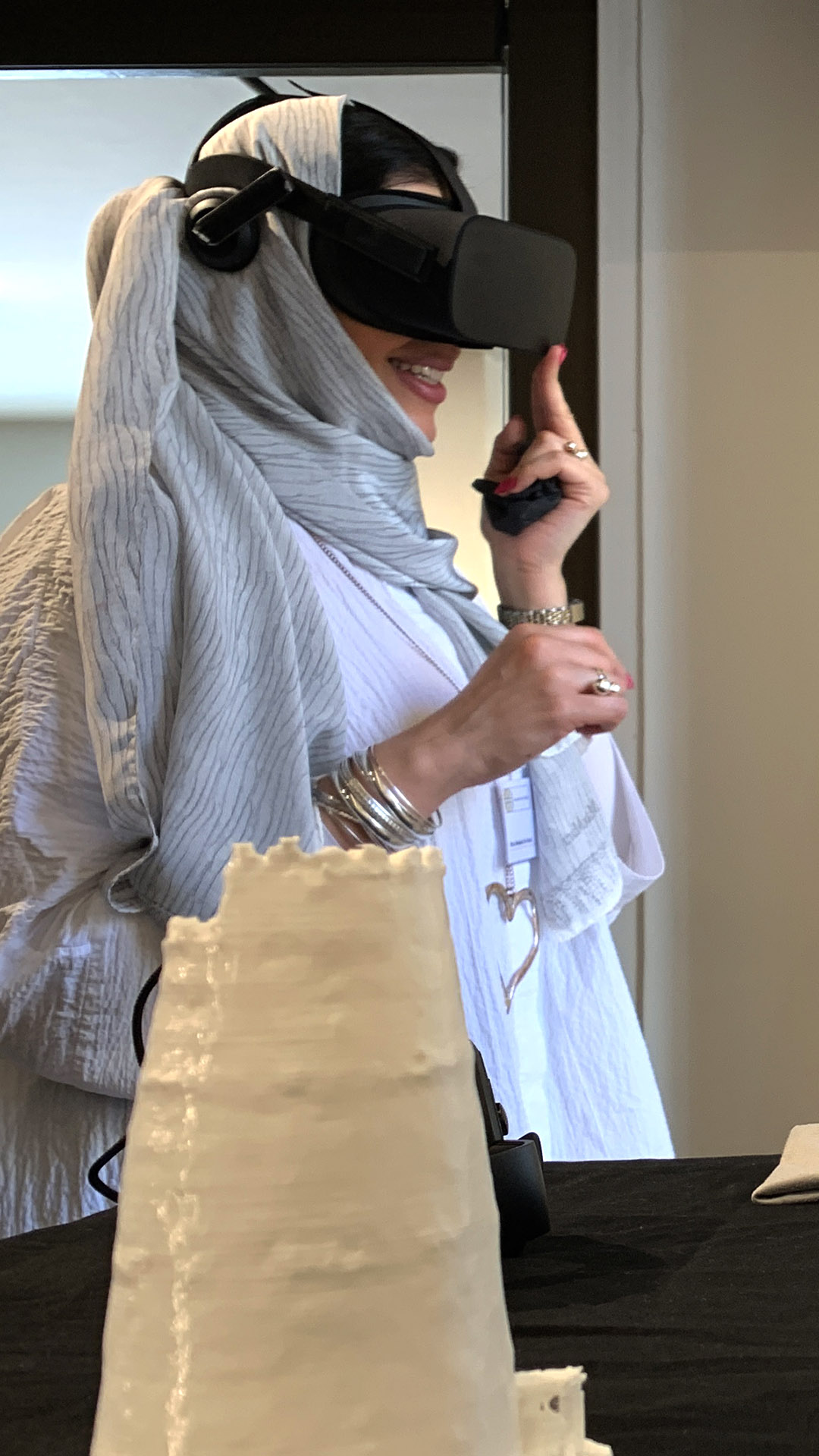
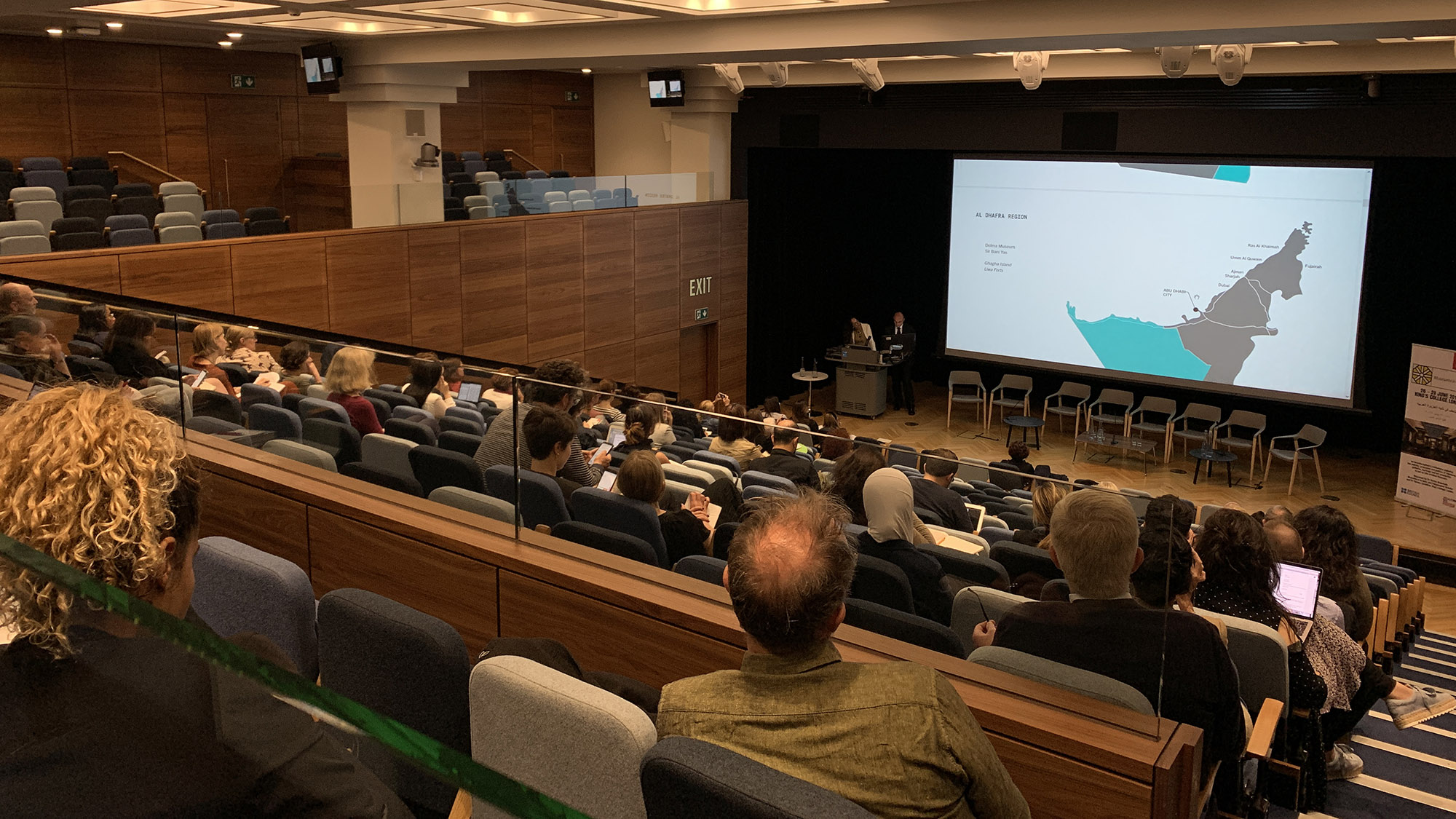
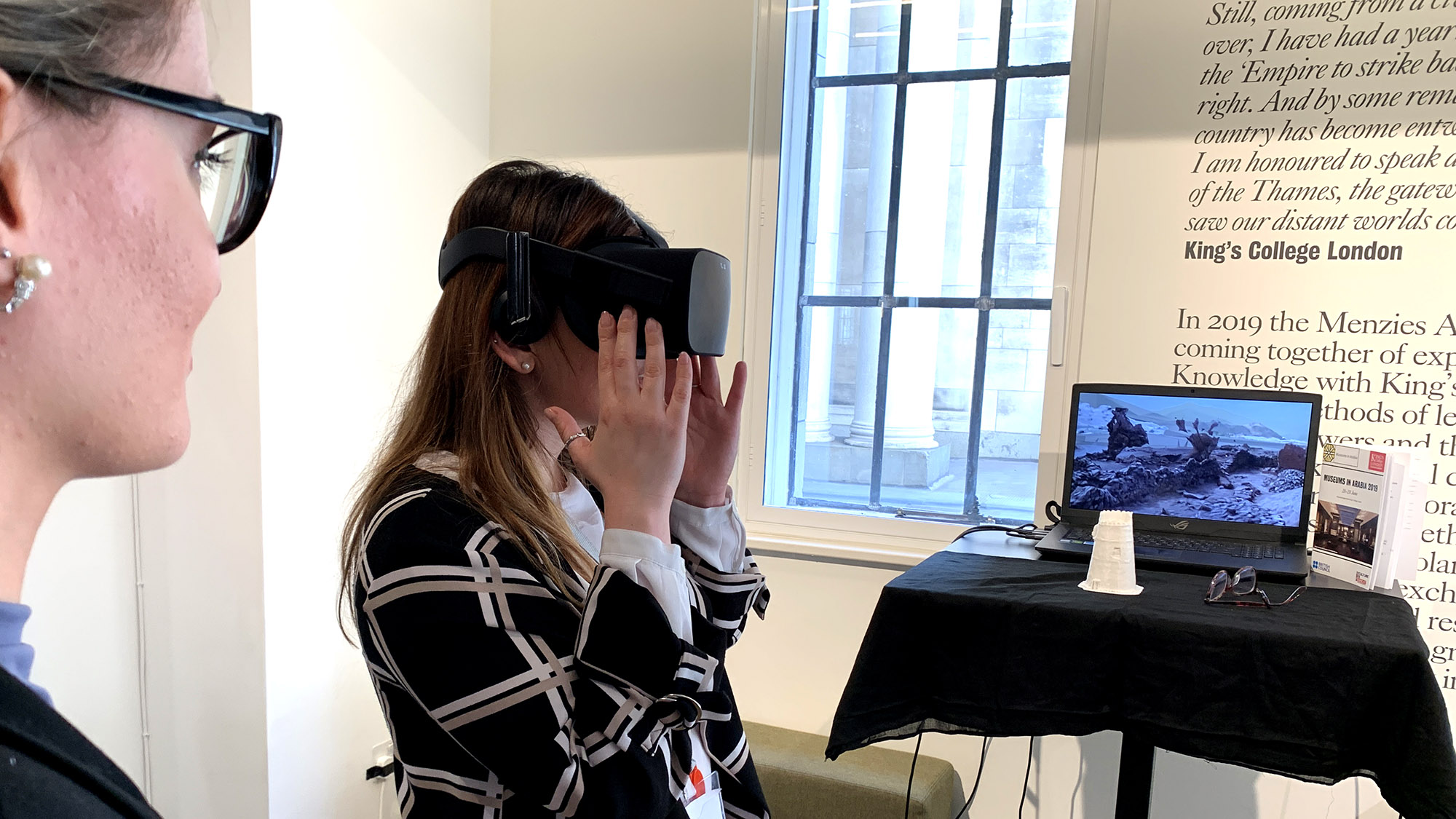
As part of the conference Museums in Arabia held at King’s College in London, I have presented a collaborative project Wadi al Helo as a case study of a prototype for using VR technologies for virtual visits to sites of cultural heritage. The presentation was well received and conference attendees had an opportunity to test the prototype in a small-scale setup format.

smallIMG_2704

smallIMG_2744

smallIMG_2746

smallIMG_2759

smallIMG_2768

Wadi Al Helo VR — Visiting a Cultural Heritage Site | XVII ACM Culture & Computer Science, HTW / Konzerthaus Berlin

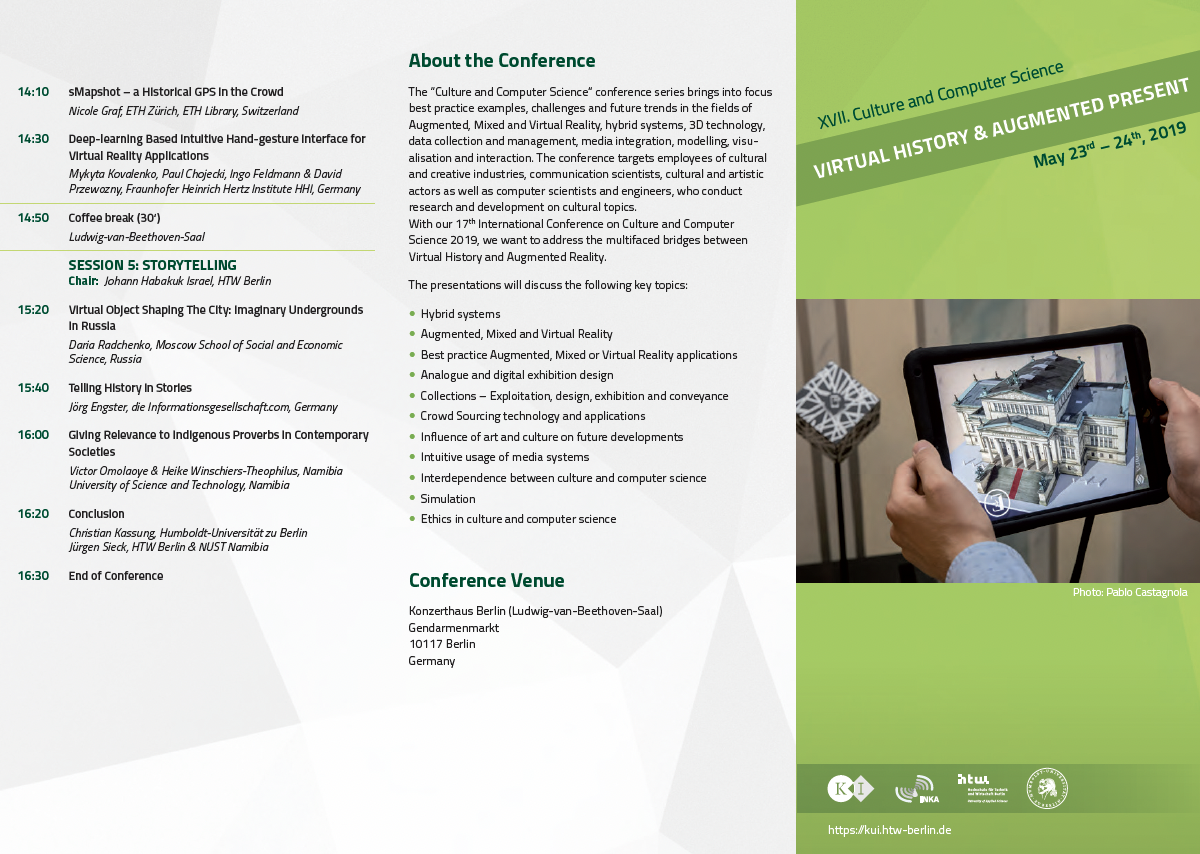
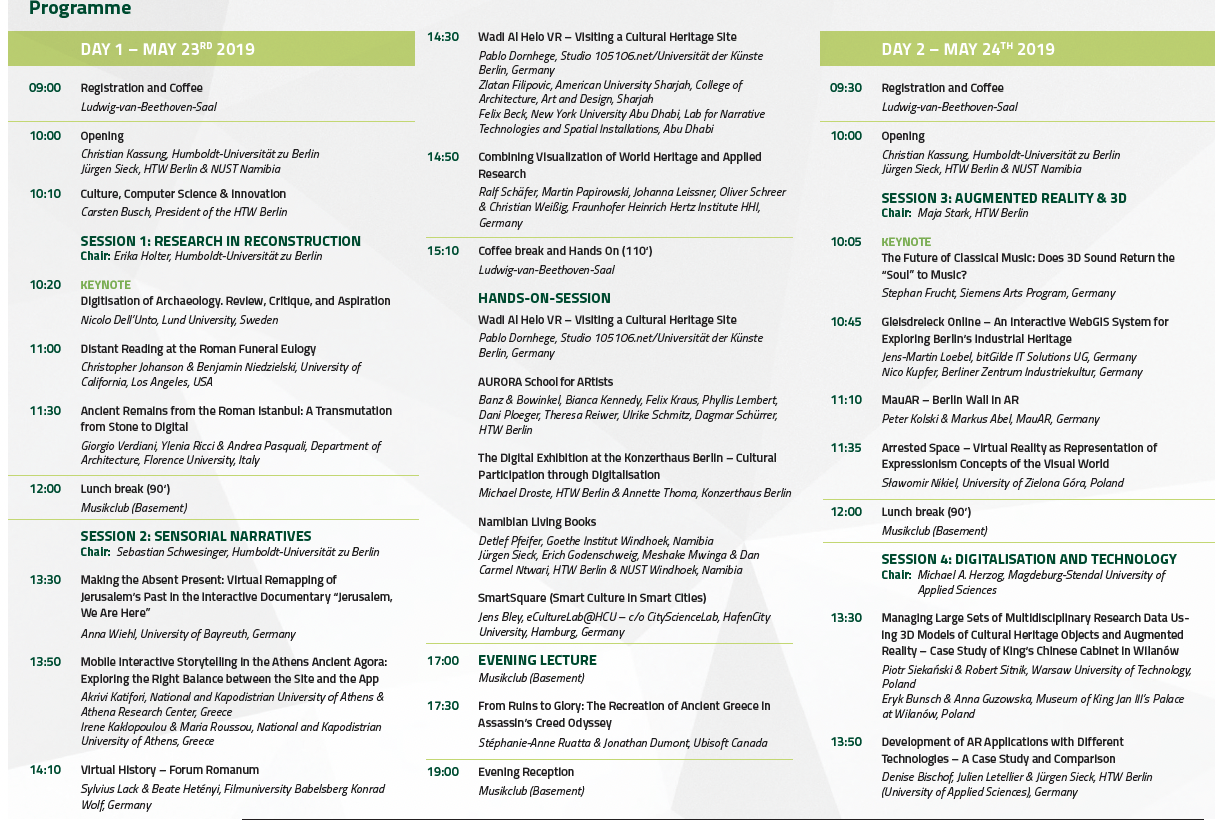
Wadi Al Helo VR — Visiting a Cultural Heritage Site was presented at the XVII ACM Culture & Computer Science conference in Berlin, combining a paper and live presentation. The project explores the immersive documentation of the historic Wadi al Helo valley in Sharjah, UAE, translating field capture and VR production into an interpretable framework for cultural‑heritage pedagogy.

Developed collaboratively with co-PIs, the work emphasizes reusable pipelines—from capturing and modeling to narrative assembly and dissemination—so that insights and methodologies can extend beyond the conference. These processes support curriculum development, student capstones, and collaborative partnerships, bridging teaching, scholarship, and practical application.

The project highlights how immersive technologies can enhance cultural heritage research, providing frameworks for peer review, cross-institution collaboration, and broader public access.

Conference details and proceedings